











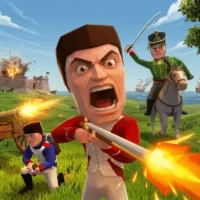
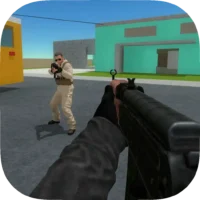
Shooting games are built around ranged combat — but the actual skill involved varies more than the label suggests. Some shooting games are almost entirely about aim and reaction speed: spotting a target and hitting it before it hits you. Others are built around positioning — finding cover, managing angles, and choosing when to engage rather than how. And some lean on resource management — ammo, reload timing, or weapon switching — as much as raw aim.
Why Positioning Often Matters More Than Aim
It’s a common assumption that shooting games are purely about how accurately and quickly you can aim, but in many of these games, where you are matters as much as how well you shoot. A player with average aim but good positioning — using cover effectively, controlling distance, and avoiding being flanked — often outperforms a player with excellent aim but poor positioning. This is especially true in games with any kind of multiplayer or wave-based enemy structure, where being caught in the open is usually fatal regardless of aim.
Practical Tips
- Identify the “safe” spots in a level early. Most shooting games have areas that offer better cover or sightlines than others. Knowing these before you need them is far more useful than learning them mid-fight.
- Match your weapon to the range. If a game offers multiple weapons, the ones that feel weak at one range are often strong at another. A weapon that struggles against distant targets may be excellent up close, and vice versa.
- Don’t ignore reload timing. In games where reloading takes time, the worst moment to need a reload is mid-engagement. Topping up ammo during quiet moments, even when your weapon isn’t empty, avoids this entirely.
If you enjoy the combat focus of shooting games, our Action category covers a lot of similar ground, often blending shooting mechanics with movement or platforming.