
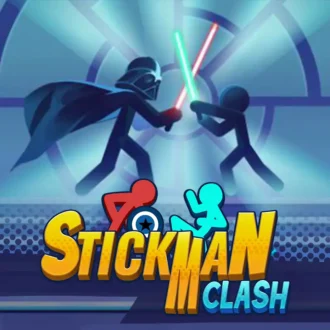


















Action games are built on a simple idea: something is happening on screen, and you need to respond to it faster than you can think about it. The defining trait isn’t a setting or a story — it’s pace. Whether you’re dodging projectiles, slicing through enemies, or weaving through traffic, the gap between “see it” and “react to it” is the entire game.
This category covers a wide spread of styles. Some action games are built around combat — melee fighters, shooters, and brawlers where the challenge is reading an enemy’s pattern and punishing the right opening. Others are built around survival — endless waves, rising difficulty, and the question of how long you can hold out. And a growing number combine action with platforming, where movement itself becomes the skill (think wall-jumps, dashes, and tight timing windows rather than just combat).
Why These Games Work in Short Sessions
Because action games rely on reflexes rather than long-term planning, they’re naturally suited to short bursts of play. A single run might last anywhere from thirty seconds to a few minutes, but the “one more try” pull is strong — each attempt usually ends with a clear reason (“I got hit because I was too slow on that dodge”), which makes the next attempt feel like an immediate opportunity to fix that one mistake.
Tips for Getting Better
- Learn before you push for score. Your first few runs in any new action game should be about learning enemy patterns and your character’s response time, not chasing a high score.
- Watch for “tells.” Most action games signal an attack or hazard a fraction of a second before it happens — a flash, a wind-up animation, a sound cue. Training yourself to react to the tell rather than the attack itself is usually the single biggest skill jump.
- Don’t fight everything. In games with enemy waves or obstacles, sometimes the better play is avoidance rather than engagement — especially early on, when you’re still learning the layout.
If you enjoy the focus and intensity of action games, you may also want to check out our Shooting and Platform categories, which share a lot of the same reflex-based DNA but lean further into their own specific mechanics.