







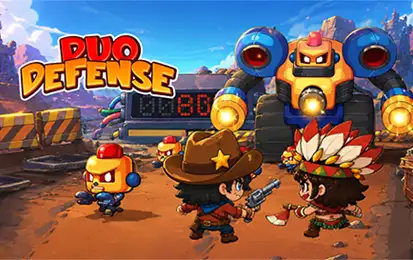
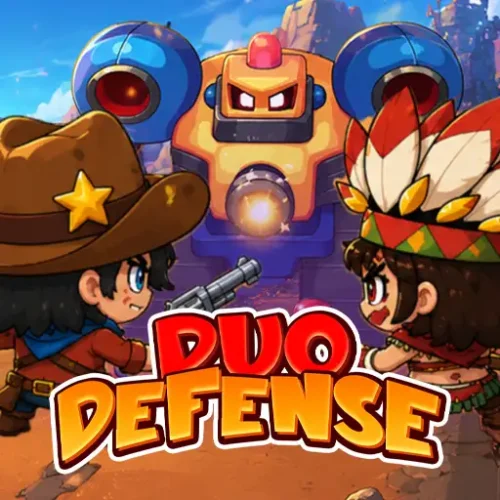







Duo Defense is a fast-paced strategy defense game where survival depends on coordination, positioning, and resource management rather than simple reaction speed. Unlike traditional tower defense games that focus entirely on placing structures and waiting for enemies to arrive, Duo Defense constantly forces players to make decisions under pressure.
Waves become larger, enemies become stronger, and every mistake creates openings that can quickly overwhelm your defenses. Whether you’re playing solo or controlling a cooperative defense setup, the game rewards planning, adaptability, and efficient use of limited resources.
What Is Duo Defense?
Duo Defense is a strategy-based defense game built around protecting a central objective from increasingly difficult enemy waves.
The goal is simple: Prevent enemies from breaking through your defenses. At first, the incoming attacks appear manageable.
Small groups of enemies move predictably, giving players time to build and react. As the game progresses, however, enemy waves become more aggressive and introduce new threats that require better positioning, stronger upgrades, and smarter resource management.
Unlike many defense games where success depends only on building more towers, Duo Defense places a heavier emphasis on timing and coordination.
Why Duo Defense Feels Different From Traditional Tower Defense Games
Many tower defense games revolve around creating a perfect setup and letting automated defenses handle the rest.
Duo Defense is more active.
Players constantly make decisions involving:
- Unit placement
- Upgrade timing
- Resource spending
- Enemy prioritization
- Defensive coverage
This creates a much more involved experience because success depends on adapting to each wave rather than repeating the same strategy.
The increasing pressure keeps every match feeling unpredictable.
Understanding The Core Gameplay Loop
Every round follows a basic structure:
- Build defenses.
- Prepare for incoming enemies.
- Survive the wave.
- Earn resources.
- Upgrade and expand.
The challenge comes from deciding how resources should be spent.
Do you:
- Strengthen existing defenses?
- Add new units?
- Save resources for future waves?
These decisions become increasingly important as stronger enemy types begin appearing.
How Resource Management Decides Most Matches
One of the biggest mistakes beginners make is spending resources immediately.
Strong players think several waves ahead.
Resources serve multiple purposes:
- Building defenses
- Upgrading units
- Expanding coverage
- Recovering from mistakes
Spending everything too early often creates problems later when stronger enemies arrive.
Managing resources efficiently usually matters more than building aggressively.
Why Positioning Is More Important Than Damage
Many players focus entirely on attack power.
Positioning often has a larger impact.
Well-positioned defenses can:
- Cover multiple lanes
- Attack enemies longer
- Support neighboring units
- Prevent weak spots
Poor positioning creates gaps that allow enemies to slip through even when overall damage output looks strong.
Experienced players usually design defenses around coverage first and damage second.
Enemy Types Change Everything
One reason Duo Defense remains challenging is enemy variety.
Different enemies often require different responses.
Common threats include:
Fast Enemies
Low durability but difficult to stop because of their speed.
Heavy Units
Slow-moving enemies with large health pools.
Swarm Waves
Large groups designed to overwhelm weak defenses.
Elite Enemies
Special units capable of breaking through poorly prepared sections.
Understanding enemy behavior is often more important than simply upgrading towers.
The Hidden Importance Of Lane Control
Most competitors barely discuss lane control.
This is one of the biggest skills in Duo Defense.
Instead of viewing the battlefield as a collection of individual towers, experienced players think in terms of lanes.
Each lane represents:
- A defensive route
- A resource commitment
- A potential weakness
Strong lane control ensures that enemies remain under attack for as long as possible before reaching the objective.
The longer enemies stay exposed, the more value every defense generates.
Things The Game Doesn’t Tell You
Strong Starts Can Create Weak Endings
Spending too aggressively early often creates resource shortages later.
Upgrades Usually Beat Expansion
Improving strong defenses is often more effective than adding weak new ones.
Every Lane Doesn’t Need Equal Investment
Some lanes become more dangerous than others depending on enemy paths.
Saving Resources Can Be A Strategy
Not every wave requires immediate spending.
Defensive Balance Matters
Too much focus on one threat often creates vulnerabilities elsewhere.
Common Mistakes Beginners Make
Building Everywhere
Spreading resources too thin weakens the entire defense.
Ignoring Enemy Types
Different enemies require different responses.
Upgrading Randomly
Strong upgrade paths usually follow a clear purpose.
Panic Spending
Many players waste resources after a difficult wave.
Overcommitting To Early Defense
Strong late-game preparation often matters more.
Advanced Duo Defense Tips
One of the most effective high-level strategies is creating layered defenses.
Instead of relying on a single powerful position, advanced players build multiple defensive zones.
This creates:
- Backup protection
- Longer enemy exposure
- Better recovery from mistakes
- Increased flexibility
Another important technique involves staggered upgrades.
Many players fully upgrade one defense before touching anything else.
Experienced players often spread upgrades strategically to maintain balanced coverage across the battlefield.
How To Survive Late-Game Waves
Late-game success usually depends on preparation rather than reaction.
By the time elite enemies appear, most defensive structures should already have clear roles.
Questions strong players constantly ask include:
- Which lane is weakest?
- Which enemy type causes the most problems?
- Is resource income keeping pace with difficulty?
- Are upgrades providing enough value?
Planning answers to these questions before a crisis occurs dramatically improves survival rates.
Why Duo Defense Becomes Addictive
Duo Defense succeeds because every run creates a different challenge.
The early game feels manageable.
The middle game tests planning.
The late game pushes defenses to their limits.
Every defeat feels like a solvable problem rather than random failure.
Players constantly believe that a slightly better strategy could have survived one more wave.
That feeling drives repeated attempts and long play sessions.
Similar Games You Might Enjoy
Frequently Asked Questions
What is Duo Defense?
Duo Defense is a strategy defense game where players build and manage defenses to survive increasingly difficult enemy waves.
Is Duo Defense a tower defense game?
Yes. It combines tower defense concepts with active resource management and strategic positioning.
What is the best beginner strategy?
Focus on balanced defenses, efficient upgrades, and preserving resources instead of expanding too quickly.
Why do late-game waves feel much harder?
Enemy strength, wave size, and attack variety increase significantly as the match progresses.
Does positioning matter in Duo Defense?
Yes. Defensive placement often determines success more than raw damage output.
Final Thoughts
Duo Defense stands out because it turns simple defensive gameplay into a constant strategy challenge. Strong positioning, careful upgrades, resource planning, and understanding enemy behavior all play major roles in long-term survival. While the early waves teach the basics, the later stages reveal the game’s real depth.
ActionArcade