










At first glance, Block Blast Unblocked looks like a simple drag-and-drop puzzle game. Place blocks on an 8×8 grid, clear rows and columns, and keep playing for as long as possible. Most new players understand the rules within a minute. What keeps players coming back is realizing that high scores have very little to do with luck and almost everything to do with space management.
The biggest difference between a beginner score and an advanced score usually isn’t faster thinking—it’s better planning. Strong players aren’t focused on the block they’re placing right now. They’re thinking about how the board will look three moves later and whether they’ll still have room for larger shapes when the grid becomes crowded.
What Is Block Blast?
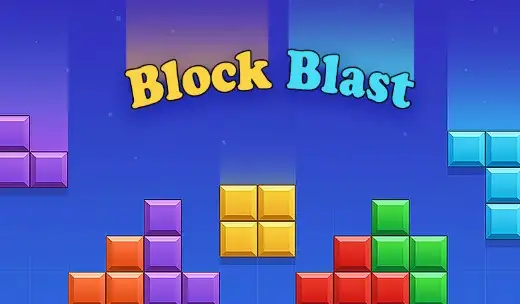
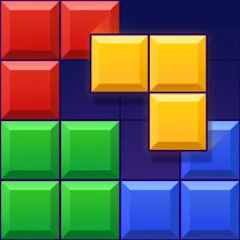
Block Blast is a puzzle game where players place differently shaped blocks onto an 8×8 board. Whenever a row or column is completely filled, it clears from the grid and awards points.
Unlike traditional Tetris:
- Blocks do not fall automatically.
- There is no time limit.
- Blocks cannot be rotated.
- Every placement is permanent.
The game ends when you can no longer place one of the available pieces on the board. This simple rule creates surprisingly deep strategy because every placement affects future options.
Why Most Games End Earlier Than They Should
New players often believe they lost because they received a bad block.
In reality, the problem usually started much earlier.
A common mistake is filling every available space without considering future shapes. The board may look organized for several turns, but eventually awkward gaps begin appearing.
These small isolated spaces become dangerous because many block shapes can no longer fit there.
The result:
- Less flexibility.
- Fewer placement options.
- Faster game over.
The Most Important Skill: Protecting Space
Many puzzle games reward immediate points.
Block Blast rewards future flexibility.
When deciding between two placements, ask:
Which move leaves the board easier to work with later?
For example:
A move that scores points immediately may create multiple small gaps.
A move that scores fewer points now might preserve a large open area for future pieces.
Advanced players almost always choose the second option.
Why Large Open Areas Matter
Large blocks are usually the hardest pieces to place once the board becomes crowded.
One mistake many players make is using big empty spaces for small blocks.
That feels efficient in the moment but creates problems later.
A useful habit is keeping at least one large open zone available whenever possible.
This gives you somewhere to place:
- Long bars
- Large squares
- Wide L-shapes
- Bulky combo pieces
Players who lose often discover their board still has empty cells but no space large enough for incoming blocks.
Stop Chasing Single-Line Clears
Clearing a row feels satisfying.
However, experienced players often delay a line clear if it creates a stronger setup.
For example:
Instead of clearing one row immediately, they may place a block that prepares:
- Two rows at once
- A row and column simultaneously
- Consecutive combo clears
The extra points add up quickly and usually leave the board cleaner afterward.
Understanding Combo Opportunities
The highest scores come from efficient board clearing.
A combo occurs when one placement clears multiple rows or columns.
When evaluating a move, look for opportunities where:
- A single block completes two rows.
- A single block completes a row and a column.
- One clear prepares another clear on the following move.
These situations create more space while increasing score potential.
Players focused only on immediate clears often miss these opportunities.
The “Center Control” Strategy
One technique used by many high-scoring players is avoiding unnecessary clutter near the center of the board.
Why?
Because the center connects everything.
If the middle becomes blocked with awkward shapes:
- Large pieces become difficult to place.
- Combo opportunities disappear.
- Board flexibility drops rapidly.
Keeping the center relatively open gives you more placement options during difficult stages.
Managing Difficult Shapes
Not every block deserves immediate placement.
Certain shapes become extremely useful later.
Examples include:
- Small squares
- L-shaped pieces
- Compact corner blocks
New players often place these blocks immediately because they fit almost anywhere.
Experienced players sometimes save them for fixing awkward gaps that larger pieces cannot fill.
Common Mistakes That Lead To Game Over
Creating Tiny Isolated Gaps
Small single-cell holes may seem harmless.
Over time they become dead space that limits future moves.
Using Large Spaces For Small Pieces
This often leaves no room for larger blocks later.
Focusing Only On Score
A high score comes from survival.
Survival comes from good board management.
Ignoring Future Pieces
Every placement should consider what shapes might appear next.
Clearing Lines Without A Plan
Not every line clear improves your position.
Some clears actually make the board harder to manage.
How To Recover A Crowded Board
Even strong players occasionally find themselves running out of space.
When the board becomes crowded:
Prioritize Space Over Points
Don’t chase risky combos.
Focus on creating breathing room.
Clear The Largest Area Possible
Sometimes a simple row clear is more valuable than a fancy setup.
Protect Remaining Open Zones
Avoid filling the last large area with small pieces.
Stay Patient
Many players panic when space becomes limited and make placements they would normally avoid.
Patience often creates opportunities that weren’t obvious initially.
Why Block Blast Is So Addictive
The game creates a simple loop:
- Place blocks.
- Clear lines.
- Build combos.
- Beat your previous score.
- Try again.
Because there is no timer, every failure feels like a strategic mistake rather than a reaction mistake.
Players immediately recognize situations they could have handled differently, which makes restarting surprisingly tempting.
That’s a major reason Block Blast has become one of the most popular browser puzzle games in recent years.
Block Blast vs Traditional Tetris
Many players compare Block Blast to Tetris because both involve arranging blocks.
The biggest differences are:
| Block Blast | Tetris |
|---|---|
| No timer | Constant pressure |
| No falling pieces | Pieces fall automatically |
| No rotation | Rotation available |
| Strategy-focused | Speed and strategy |
| Permanent placement | Continuous movement |
Because players have unlimited time to think, Block Blast often feels more like a puzzle game than an arcade game.
Frequently Asked Questions
How do you score more points in Block Blast?
Focus on combo opportunities, preserve open space, and look for moves that clear multiple rows or columns with a single placement.
Does Block Blast have a time limit?
No. Players can take as much time as needed before placing a block.
Can blocks be rotated?
No. Blocks must be placed in their original orientation, making planning more important.
When does the game end?
The game ends when there is no valid location for one of the available pieces.
What is the best strategy for beginners?
Focus on maintaining large open spaces, avoiding isolated gaps, and preserving flexibility rather than chasing immediate points.
Final Thoughts
Block Blast Unblocked succeeds because it combines simple rules with surprisingly deep strategy. Every placement matters, every gap has consequences, and every decision affects future options. Players who learn to value space, plan ahead, and build combo opportunities consistently outperform those who focus only on clearing lines.
Whether you’re aiming for a personal best score or simply looking for a relaxing puzzle challenge, Block Blast rewards careful thinking more than quick reactions.
ArcadePuzzleSingle Player Games